Our path
Recommended Reading
Learning is also part of our path.
Here we gather books, articles and other materials that we find valuable for those who wish to learn more about Umbanda, Afro-Brazilian religions, their histories, foundations and some of the traditions and bodies of knowledge with which we engage.
This is not intended to be a definitive bibliography. It is a living collection that will continue to grow alongside our studies, experiences and community.
The inclusion of a work does not mean that we agree with every position expressed by its author. We recommend materials that we believe offer useful knowledge, context, reflection or new perspectives, and we always encourage conscious and critical reading.
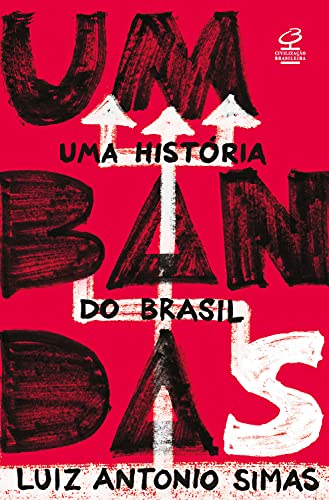
The Casa especially recommends this book to anyone beginning to explore Umbanda through its diversity and its deep connection with Brazilian history.
It moves beyond the idea of a single Umbanda and presents the different Umbandas as part of the experiences, conflicts, encounters and reinventions that have shaped Brazil.
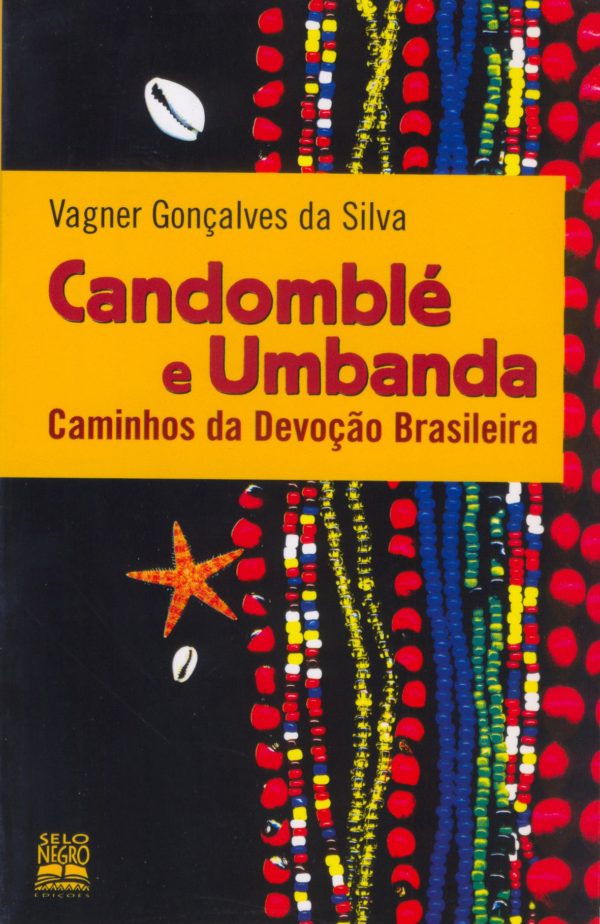
An accessible historical introduction to the development of some of the main Afro-Brazilian religions.
It is especially useful for understanding that Umbanda and Candomblé did not emerge in isolation from Brazilian society, but through historical processes involving African, Indigenous and European peoples and their descendants.
A sociological study of the relationships between Umbanda, culture and Brazilian society, especially processes of whitening and the pursuit of religious legitimacy.
It offers a way to reflect on how racism, social class and struggles for recognition have shaped the history of Afro-Brazilian religions.
As an interpretation developed in a particular historical context, it invites critical reading alongside other research and the experiences of terreiros themselves.
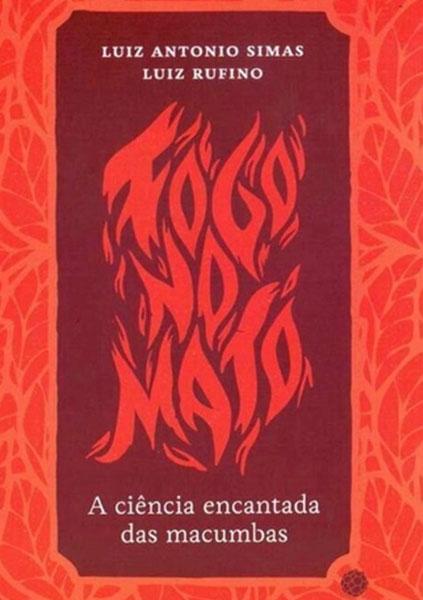
This book speaks closely to the way our Casa understands knowledge, nature, the body, ancestry, community and religious experience.
The authors recognise knowledge from terreiros and popular traditions as legitimate forms of knowledge, and present enchantment as a way of being and acting in the world.
An extensive collection of stories and myths about the Orixás.
It offers a valuable way to explore the stories through which the qualities, relationships, conflicts and powers of the Orixás have been passed on in Yoruba and Afro-Brazilian religious traditions.
Knowing these myths does not replace religious learning, fundamento or transmission within a tradition.
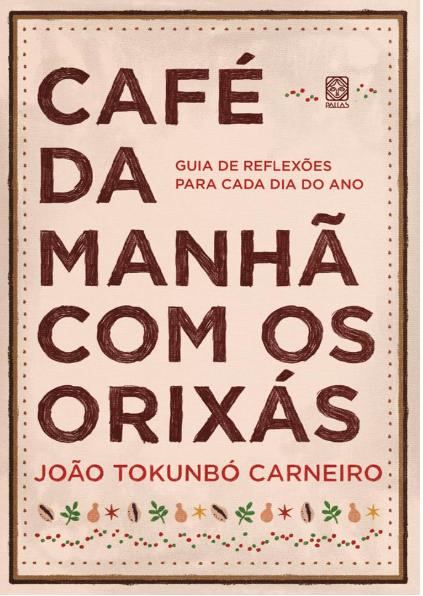
A book that brings the myths of the Orixás into everyday life, with a story and a reflection for each day of the year.
It can accompany moments of pause and help us reflect on our choices, relationships and the way we move through the world.
The author’s interpretations invite reflection, alongside other possible readings of the myths, and do not replace learning and transmission within a tradition.
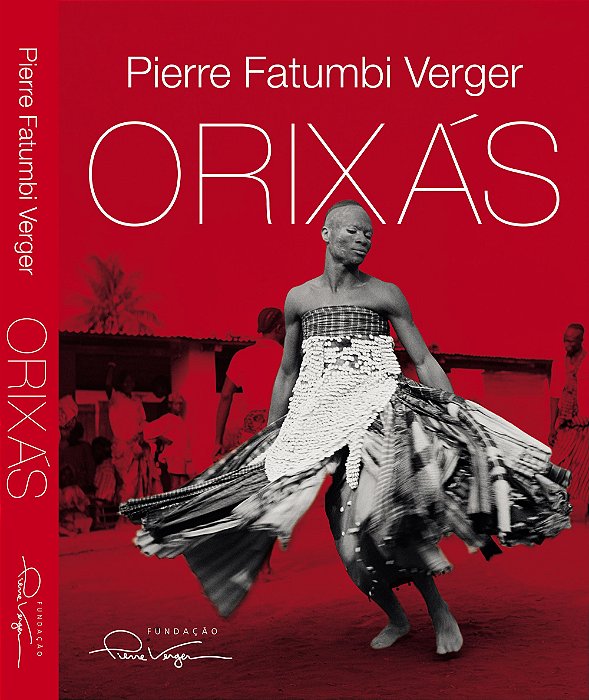
A reference work for readers who wish to explore the connections and continuities between the worship of the Orixás in West Africa and the forms it has taken in Brazil and elsewhere in the diaspora.
Its wealth of documentation and photographs also provides an important historical and ethnographic record.
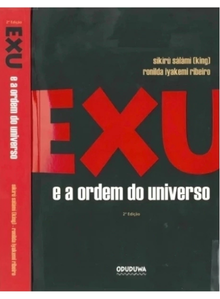
A reading for those who want to deepen their understanding of Exu as an Orixá in Yoruba tradition, exploring character, destiny, responsibility and the relationship between the human and the divine.
Written by Síkírù Sàlámì (King), an elder and babalorixá of our tradition, and Ronilda Iyakemi Ribeiro, the book brings readers closer to knowledge preserved in oral tradition and Ifá.
Its context is Yoruba Orixá worship, which deserves to be understood on its own terms, without conflating Exu the Orixá with the Exu spirit guides in Umbanda.
An important work for a deeper exploration of concepts in the Nagô tradition relating to existence, ancestry, death, axé and the organisation of the religious universe.
This is a more demanding academic read, suited to those who want to go beyond a general introduction.
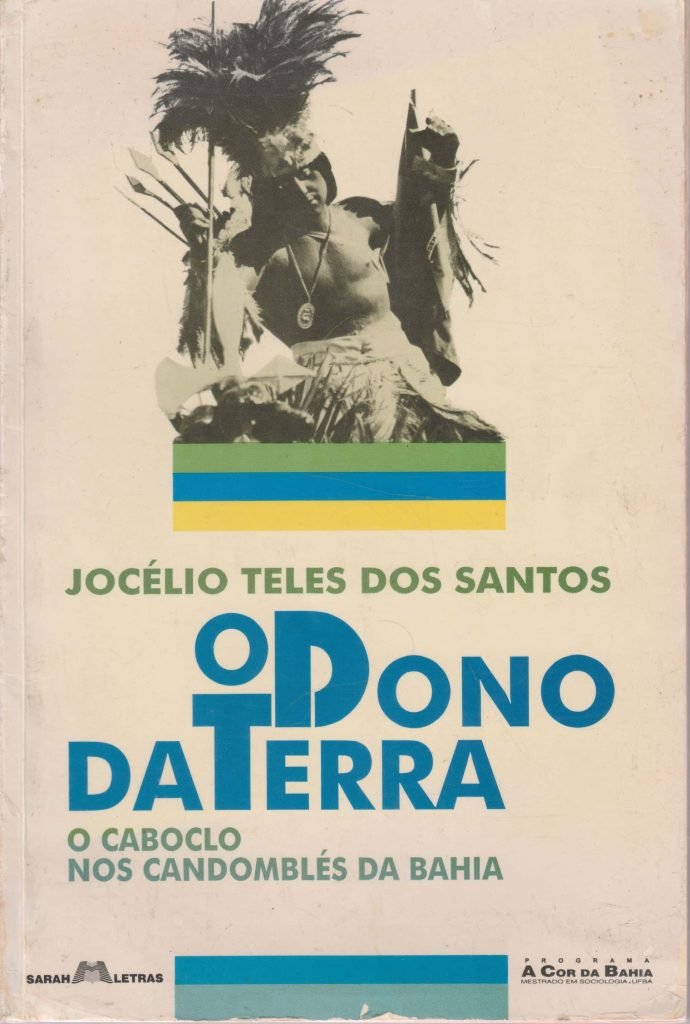
An important read for understanding the presence of Caboclos within Afro-Brazilian religions and the historical complexity of the relationships between ancestry, territory and representations of Indigenous peoples.
It is especially useful for moving beyond simplistic explanations that treat Caboclo as a direct translation of “Indigenous spirit”.
Through Kehinde’s story, this historical novel brings readers closer to experiences of the African diaspora, enslavement and the formation of Brazil.
It speaks to memory, ancestry, religious life and resistance, themes that help us understand the historical ground in which Afro-Brazilian traditions develop.
As a novel grounded in historical research, it invites us to distinguish its literary construction from historical records.
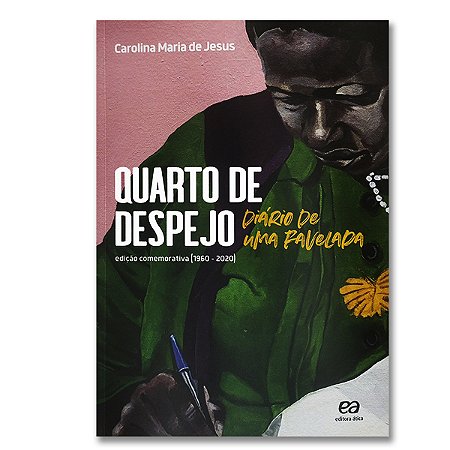
In Carolina Maria de Jesus’s diaries, hunger, racism and inequality are seen through lived experience and a voice writing about her own everyday life.
The book speaks to the community care and solidarity we seek to build, inviting reflection on dignity, listening and the material conditions of life.
Although it does not deal directly with Umbanda, it offers important context for reflecting on welcome without judgement and social responsibility.
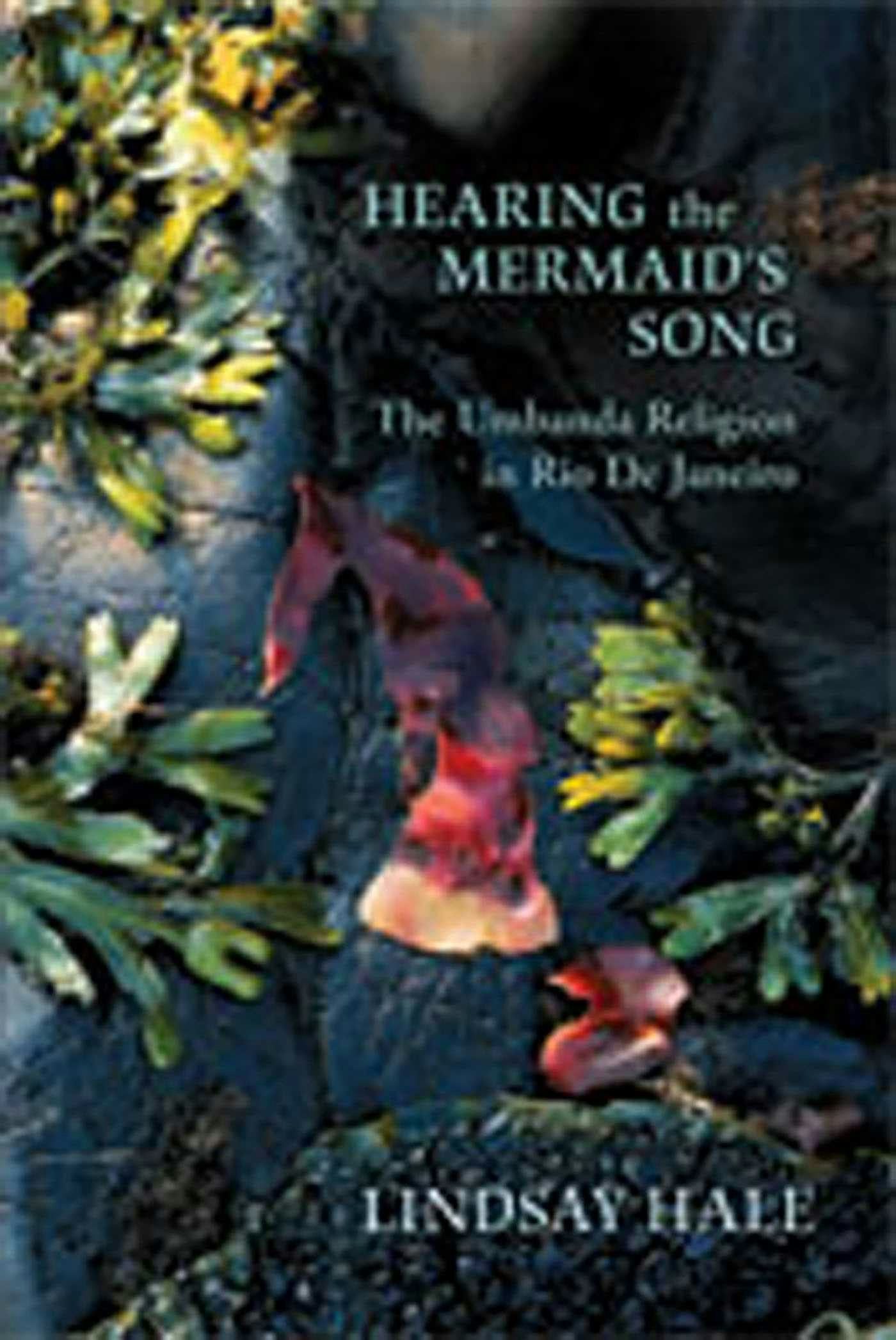
An important option for English-speaking readers who wish to learn about Umbanda through anthropological research grounded in many years of involvement with the religion in Rio de Janeiro.
As well as introducing Umbanda to an English-speaking audience, it offers a view of how religious experience, spirit incorporation and relationships with guides are lived within specific communities.
A relatively short academic text that helps readers understand Umbanda through the different forces, influences and tensions involved in its formation and development.
It is a good option for exploring the historical discussion in more depth without necessarily beginning with a whole book.